Obesity is a major public health concern affecting children and adults around the world. It is a condition in which excessive body fat can negatively affect health. Obesity may increase the risk of several medical conditions, including type 2 diabetes, heart disease, high blood pressure, and joint problems.
There are many factors that contribute to obesity. Unhealthy eating habits, physical inactivity, genetic factors, certain medical conditions, and environmental influences can all play a role. It is important to understand that obesity is a complex health condition and should not be judged by appearance.
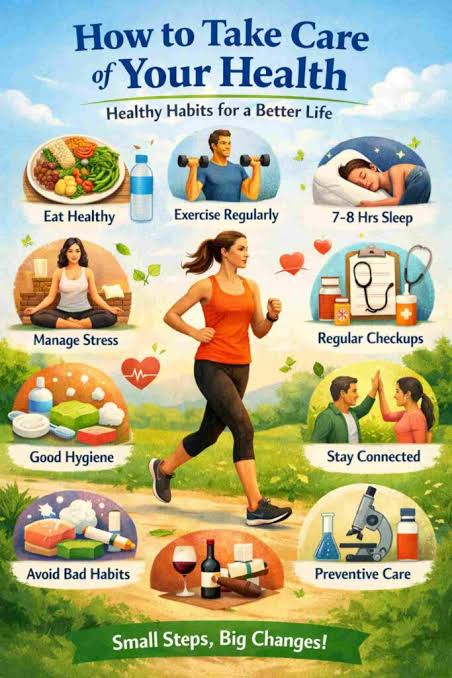
One important way to reduce obesity-related health risks is to develop balanced eating habits. People should include fruits, vegetables, whole grains, and appropriate protein sources in their daily diets. These foods provide essential nutrients and help support overall health.
Excessive consumption of sugary drinks, fried foods, sweets, and highly processed meals can contribute to unhealthy weight gain. People should try to reduce these foods and choose nutritious alternatives whenever possible.
Regular physical activity is equally important. Walking, cycling, swimming, dancing, and playing sports help the body use energy and maintain physical fitness. Adults should aim for regular exercise according to their abilities and medical needs.
Children also need opportunities for physical activity. Outdoor games, school sports, cycling, and family walks can help children develop healthy habits. Parents should encourage active play and limit excessive recreational screen time.
Proper sleep can also support healthy weight management. Insufficient sleep may affect hormones involved in hunger and appetite. Maintaining a regular sleeping schedule is therefore beneficial.
Healthy lifestyle changes should be gradual and realistic. People should avoid extreme diets, unnecessary supplements, and unsafe weight-loss methods. A balanced approach is more sustainable and better for overall health.
Family support can make lifestyle changes easier. Families can prepare nutritious meals together, participate in outdoor activities, and encourage one another to develop healthy habits.
Healthcare professionals can provide appropriate guidance for people who are concerned about their weight. They may assess individual health risks and recommend suitable nutrition plans, physical activity, or medical treatment when necessary.
Schools, workplaces, and communities should also encourage healthy environments. Access to nutritious food, safe walking spaces, parks, and recreational facilities can support healthier lifestyles.
In conclusion, preventing obesity-related health problems requires balanced nutrition, regular exercise, proper sleep, and positive lifestyle choices. Everyone deserves respect and support while working towards better health. Small, consistent changes can improve well-being and create a healthier future.
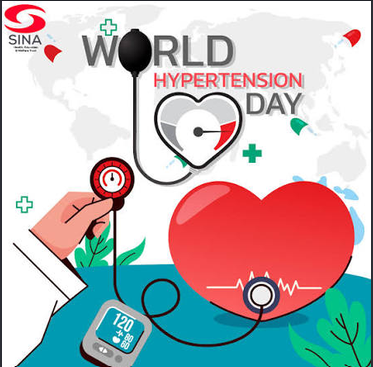
Blood pressure is an important measurement of human health. It refers to the force of blood pushing against the walls of the arteries as the heart pumps blood throughout the body. Maintaining healthy blood pressure is necessary for protecting the heart, brain, kidneys, and other organs.
High blood pressure, also called hypertension, is a common health problem. It often develops without noticeable symptoms, which is why it is sometimes called a silent condition. Many people may have high blood pressure without knowing it.
Several factors can increase the risk of hypertension. These include excessive salt consumption, lack of physical activity, smoking, unhealthy eating habits, stress, and family history. Age and certain medical conditions can also influence blood pressure.
Healthy eating is an important way to support normal blood pressure. People should include fruits, vegetables, whole grains, and appropriate protein sources in their diets. Reducing excessive salt and limiting highly processed foods can also be beneficial.
Regular exercise helps maintain cardiovascular health. Activities such as walking, cycling, swimming, and dancing improve circulation and support a healthy heart. People should try to remain physically active according to their abilities.
Maintaining a healthy weight is another useful step. Excess body weight can increase the risk of hypertension and other cardiovascular problems. A balanced diet and regular exercise can help people manage their weight.
Avoiding smoking is essential because tobacco damages blood vessels and increases cardiovascular risks. People should also limit excessive caffeine consumption if it affects their blood pressure.
Stress management is equally important. Relaxation, proper sleep, meditation, and spending time with family can help people manage everyday stress.
Regular blood pressure checks are necessary because hypertension may not cause obvious symptoms. Adults should discuss appropriate screening schedules with healthcare professionals. People diagnosed with high blood pressure should follow their prescribed treatment and avoid stopping medicines without medical advice.
Family support and health education can also encourage people to develop healthier habits. Communities should organize awareness programmes to teach people about blood pressure and heart health.
In conclusion, maintaining healthy blood pressure is essential for a longer and healthier life. Nutritious food, exercise, reduced salt intake, avoiding tobacco, and regular medical check-ups can help protect cardiovascular health. Everyone should take blood pressure seriously and care forApproximately 500 words
Blood pressure is an important measurement of human health. It refers to the force of blood pushing against the walls of the arteries as the heart pumps blood throughout the body. Maintaining healthy blood pressure is necessary for protecting the heart, brain, kidneys, and other organs.
High blood pressure, also called hypertension, is a common health problem. It often develops without noticeable symptoms, which is why it is sometimes called a silent condition. Many people may have high blood pressure without knowing it.
Several factors can increase the risk of hypertension. These include excessive salt consumption, lack of physical activity, smoking, unhealthy eating habits, stress, and family history. Age and certain medical conditions can also influence blood pressure.
Healthy eating is an important way to support normal blood pressure. People should include fruits, vegetables, whole grains, and appropriate protein sources in their diets. Reducing excessive salt and limiting highly processed foods can also be beneficial.
Regular exercise helps maintain cardiovascular health. Activities such as walking, cycling, swimming, and dancing improve circulation and support a healthy heart. People should try to remain physically active according to their abilities.
Maintaining a healthy weight is another useful step. Excess body weight can increase the risk of hypertension and other cardiovascular problems. A balanced diet and regular exercise can help people manage their weight.
Avoiding smoking is essential because tobacco damages blood vessels and increases cardiovascular risks. People should also limit excessive caffeine consumption if it affects their blood pressure.
Stress management is equally important. Relaxation, proper sleep, meditation, and spending time with family can help people manage everyday stress.
Regular blood pressure checks are necessary because hypertension may not cause obvious symptoms. Adults should discuss appropriate screening schedules with healthcare professionals. People diagnosed with high blood pressure should follow their prescribed treatment and avoid stopping medicines without medical advice.
Family support and health education can also encourage people to develop healthier habits. Communities should organize awareness programmes to teach people about blood pressure and heart health.
In conclusion, maintaining healthy blood pressure is essential for a longer and healthier life. Nutritious food, exercise, reduced salt intake, avoiding tobacco, and regular medical check-ups can help protect cardiovascular health. Everyone should take blood pressure seriously and care for
The kidneys are two important organs that play a major role in maintaining human health. They are located near the back of the abdomen and perform several essential functions. Their main responsibility is to filter waste products and extra water from the blood and remove them through urine.
Healthy kidneys help maintain the balance of fluids and minerals in the body. They also help regulate blood pressure and support the production of red blood cells. Therefore, taking care of kidney health is important for overall well-being.
One of the most important habits for supporting kidney health is drinking sufficient water. Water helps the kidneys remove waste products from the body. However, the amount of water a person needs depends on age, activity, weather, and health conditions. People with certain kidney or heart problems may need specific fluid recommendations from their doctors.
A balanced diet is also essential. Eating fresh fruits, vegetables, whole grains, and appropriate amounts of protein supports general health. People should avoid excessive salt because too much sodium can contribute to high blood pressure, which may damage the kidneys over time.
Regular physical activity is another useful habit. Walking, cycling, swimming, and other exercises help maintain a healthy weight and support blood pressure control. These benefits can reduce some risk factors associated with kidney disease.
Diabetes and high blood pressure are two major causes of chronic kidney disease. People with these conditions should monitor their health regularly and follow medical advice. Managing blood sugar and blood pressure can help protect kidney function.
Avoiding unnecessary medicines is also important. Some painkillers and other medications can harm the kidneys, especially when used frequently or incorrectly. People should consult healthcare professionals before using medicines for long periods.
Smoking can damage blood vessels and increase the risk of kidney problems. Avoiding tobacco products is another important step towards better health.
Regular medical examinations can help identify kidney problems early. Blood and urine tests may be recommended by doctors to assess kidney function, especially for people at higher risk.
People should also avoid believing unverified health advice or using unknown herbal products to treat kidney problems. Professional medical guidance is essential for safe and effective treatment.
In conclusion, healthy kidneys are necessary for removing waste and maintaining the body’s internal balance. Drinking appropriate amounts of water, eating a balanced diet, exercising regularly, and controlling blood pressure and diabetes can help protect kidney health. Everyone should pay attention to kidney care and seek medical advice when necessary.
Women’s health is an important part of a healthy society. Women play many important roles in families, workplaces, and communities. They contribute to education, healthcare, business, and national development. Therefore, taking care of women’s physical and mental health is essential for building a stronger society.
Women experience different health needs throughout their lives. Their bodies go through various changes during adolescence, adulthood, pregnancy, and old age. Proper healthcare, balanced nutrition, and regular medical check-ups help women maintain good health at every stage.
Nutrition is one of the most important factors in women’s health. A balanced diet containing fruits, vegetables, whole grains, proteins, and healthy fats provides essential nutrients. Iron, calcium, vitamin D, and other vitamins and minerals are particularly important for different stages of women’s lives. Healthy eating helps maintain strong bones, healthy blood, and proper body functions.
Physical activity is equally important. Walking, cycling, swimming, and yoga can improve fitness and strengthen muscles and bones. Regular exercise also supports heart health, helps maintain a healthy weight, and improves mood.
Mental health deserves equal attention. Women may experience stress because of family responsibilities, education, work, and social pressures. Spending time with loved ones, enjoying hobbies, getting enough sleep, and discussing problems with trusted people can support emotional well-being.
Regular medical examinations are important for identifying health problems early. Women should consult healthcare professionals about reproductive health, menstrual health, breast health, and other medical concerns. Preventive screenings and recommended vaccinations can also help protect their health.
Maternal health is another important area. Pregnant women need proper nutrition, medical supervision, sufficient rest, and emotional support. Regular prenatal check-ups help monitor the health of both mother and baby. After childbirth, mothers also need proper care and support.
Access to healthcare and health education should be available to every woman. Families and communities should encourage women to seek medical advice without fear or embarrassment. Education helps women make informed decisions about their health.
In conclusion, women’s health is essential for the well-being of families and society. Proper nutrition, regular exercise, medical care, and emotional support can help women lead healthier and happier lives. Every woman deserves respect, quality healthcare, and opportunities to maintain her well-being.
Health education plays an important role in creating a healthy society. It provides people with knowledge about their bodies, diseases, nutrition, hygiene, and healthy lifestyles. When people understand how to protect their health, they can make better decisions for themselves and their families.
Health education is important for people of every age. Children need to learn about cleanliness, healthy eating, exercise, and personal hygiene. Adults need information about disease prevention, mental health, and medical care. Older people also benefit from learning how to maintain their health and manage age-related challenges.
Schools are important places for providing health education. Students spend a large part of their time in educational institutions, so teachers can help them develop healthy habits. Schools should teach students about balanced diets, physical activities, cleanliness, and the importance of sleep.
Nutrition education is one of the most important parts of health awareness. Many people do not understand which foods are beneficial for their bodies. Learning about proteins, vitamins, minerals, and other nutrients helps people choose healthier meals. It also teaches them to avoid excessive junk food and sugary drinks.
Health education also helps people understand the importance of physical exercise. Regular activity strengthens the body and reduces the risk of several diseases. People should learn that even simple activities such as walking and cycling can improve their fitness.
Mental health awareness is another important subject. Many people experience stress, anxiety, and emotional difficulties but do not know where to seek help. Health education encourages open discussions and teaches people that asking for professional support is not something to be ashamed of.
Another benefit of health education is disease prevention. People who understand how infections spread are more likely to follow hygiene practices. They can also learn about vaccination, safe drinking water, and the importance of medical check-ups.
Modern technology has made health information more accessible. People can learn through educational websites, online videos, television programmes, and mobile applications. However, they should always use reliable medical sources and avoid believing every health claim shared on social media.
Governments and healthcare institutions should arrange awareness programmes in schools, colleges, and communities. Free medical camps and public health campaigns can also help people understand important health issues.
In conclusion, health education is essential for building a healthy and informed society. It teaches people how to prevent diseases, maintain cleanliness, eat nutritious food, and care for their mental well-being. Everyone should have access to accurate health information to enjoy a better future.
Water is one of the most important necessities of human life. Every living organism needs water to survive. The human body contains a large amount of water, which helps control body temperature, digest food, remove waste, and maintain healthy organs. Clean drinking water is essential for a healthy and active life.
Unfortunately, many people around the world do not have access to safe drinking water. Dirty water may contain harmful bacteria, viruses, and chemicals that can cause serious diseases. Drinking contaminated water can lead to diarrhea, cholera, typhoid, and other infections. These illnesses are especially dangerous for children and older people.
Clean water helps our bodies perform important functions. It supports digestion, improves blood circulation, and keeps the skin healthy. Drinking enough water also helps prevent dehydration, which can cause headaches, weakness, dizziness, and tiredness.
We should develop good habits to keep our water safe. Drinking filtered or boiled water is a useful way to reduce certain harmful microorganisms. We should always store drinking water in clean and covered containers. Water tanks and bottles should also be cleaned regularly.
Clean water is not only necessary for drinking but also for personal hygiene. Washing hands with clean water and soap helps prevent the spread of germs. We should also use clean water when preparing food, washing fruits and vegetables, and brushing our teeth.
Governments and communities should work together to provide safe drinking water to everyone. Proper drainage systems, water filtration plants, and public awareness campaigns can help reduce water pollution. People should avoid throwing rubbish and chemicals into rivers, lakes, and other water sources.
In conclusion, clean water is essential for a healthy life. Everyone should understand its importance and take steps to protect water resources. Saving water and keeping it clean are responsibilities that we all share.
I have worked as a medical travel coordinator helping international patients compare hospitals, organize consultations, and prepare for treatment in Central America. Panama comes up regularly in conversations because it has an established private healthcare sector, an international airport, and a location that can make travel convenient for patients from several parts of the Americas. I have learned that the practical details matter just as much as the hospital name. A patient needs a clear treatment plan before making decisions about flights, accommodation, or recovery time.
Why Panama Attracts International Patients
Panama has developed a private medical sector that serves both local residents and international visitors. Panama City is usually the first location I discuss with patients because many private hospitals, specialist clinics, hotels, and transport services are concentrated there. Tocumen International Airport also provides connections to destinations across North, Central, and South America. For a patient travelling from abroad, fewer complicated transfers can make the journey easier to organize.
I have spoken with patients who considered Panama after comparing private treatment options in their home countries. Some were interested in specialist consultations, while others were researching planned procedures or dental services. A patient last spring was particularly concerned about spending several weeks away from home and wanted to understand the practical arrangements before choosing a destination. I helped organize a list of questions for the hospital rather than allowing the advertised package price to drive the decision.
Location can influence the experience. Panama City has modern commercial areas and a range of accommodation options, although traffic can make journeys across the city slower than visitors expect. I usually recommend checking the actual distance between the hotel, hospital, and airport instead of relying on a general description such as centrally located. A short journey on a map may take considerably longer during busy periods.
Researching Hospitals and Medical Services
I start hospital research by identifying the exact treatment a patient is considering and the medical specialty involved. A facility that is suitable for routine diagnostic work may not be the right place for a complex surgical procedure. I ask for the name and qualifications of the proposed doctor, details of the hospital where treatment will take place, and information about the clinical team. Patients should verify these details independently before making a financial commitment.
For an initial overview of destination-specific considerations, I sometimes direct patients to Medical tourism in Panama as a resource to review while comparing their options. I still encourage them to confirm current medical services and treatment arrangements directly with the hospital. Online information can help build a shortlist, but it cannot determine whether a particular procedure is appropriate for an individual. That decision belongs with qualified medical professionals who have reviewed the patient’s records.
I also check whether the hospital can explain its emergency arrangements. Patients should know whether specialist support, intensive care, and other necessary services are available if an unexpected complication occurs. For surgery, I want the patient to understand who will provide anesthesia and who will manage care after the procedure. These questions should be answered before travel, not during admission.
Accreditation and licensing deserve attention as well. I ask patients to check the current status of any accreditation claimed by a facility and to understand what the accreditation covers. A hospital’s general reputation does not guarantee a particular result. The experience and suitability of the individual treating team remain central to the decision.
Understanding Treatment Costs and Package Details
One of the first questions I hear concerns price. Panama may offer private treatment options that compare favorably with some overseas alternatives, but costs depend on the procedure, hospital, doctor, medical complexity, and length of stay. I avoid giving patients a single expected price without a written estimate from the provider. A quotation should explain exactly what the hospital is agreeing to supply.
I ask for separate figures for the surgeon, hospital room, anesthesia, laboratory work, imaging, medication, and follow-up appointments. If the quotation covers only the procedure itself, the patient needs to budget for other medical expenses. A dental treatment estimate, for example, may not include every scan, temporary restoration, or later adjustment. Those details can affect the final amount substantially.
Travel expenses need their own calculation. I include return flights, accommodation, airport transfers, meals, local transportation, and any costs for a companion. A patient staying for 14 days may need a different budget from someone attending a consultation and returning home after two nights. I also recommend keeping an emergency reserve for an extended stay or an unexpected change in the schedule.
Before a deposit is paid, I read the cancellation and refund terms carefully. I want to know what happens if the doctor decides that treatment should be postponed after reviewing the patient’s medical records. The agreement should explain whether the deposit is refundable and whether administrative charges apply. Verbal assurances are not enough for a significant medical expense.
Preparing for the Journey to Panama
I normally begin travel preparation several weeks before the intended appointment, although the required timeline depends on the procedure. The patient should check passport validity, entry requirements, and any visa rules that apply to their nationality. Requirements can change, so I advise checking with official Panamanian authorities or the relevant consular service before purchasing non-refundable tickets. I never assume that one traveller’s entry experience will apply to everyone.
Medical records should be prepared early. I ask patients to collect recent laboratory results, imaging reports, previous operation notes, allergy information, and a current medication list. The receiving doctor may request additional tests or a translated copy of important documents. Sending records ahead of time gives the clinical team an opportunity to review the case before the patient arrives.
Medication planning needs care. Patients should ask their doctor whether they can continue their usual prescriptions during travel and check the rules for bringing those medicines into Panama. I suggest carrying essential medication in its original packaging and keeping a copy of the prescription available. Anyone who uses medication that requires special storage should confirm how it will be managed during the flight and hotel stay.
Travel companions can provide useful support, particularly after surgery or during a demanding course of treatment. I encourage patients to discuss practical responsibilities before departure, including transport, meals, communication with hospital staff, and help with everyday activities. If the patient may have limited mobility, accommodation should have suitable access and facilities. A hotel room that looks comfortable online may not meet the needs of someone recovering from an operation.
Accommodation and Getting Around Panama City
I prefer to select accommodation after confirming the hospital location. Panama City has hotels in several districts, and the best choice depends on where the patient needs to attend appointments. A hotel near a business district may be convenient for a consultation but less suitable if the treating hospital is elsewhere. I check the route at different times of day and ask whether the hotel can arrange reliable transport.
Traffic is a practical issue. A journey that appears to take 15 minutes under light conditions can take longer during peak hours. I leave a generous margin before medical appointments and avoid planning sightseeing activities immediately before an important consultation. Patients should not feel pressured to rush through the city when they have a clinical appointment to attend.
For a longer stay, I look at basic facilities rather than decorative features. Access to an elevator, a quiet room, suitable bathroom arrangements, and nearby food options can make daily life easier. Patients may also want a refrigerator for medication or a place where a companion can work during the day. I confirm these requirements with the accommodation provider rather than relying on assumptions.
Recovery Time and Follow-Up After Treatment
I consider the recovery schedule before recommending a return flight. The safe time to travel after treatment varies according to the procedure, the patient’s health, and the advice of the treating clinician. Some patients may be able to return home relatively soon, while others need several appointments or a longer observation period. I never treat a hotel booking or flight reservation as a reason to shorten medically advised recovery time.
Before discharge, I want the patient to receive written instructions explaining medication, wound care where relevant, activity restrictions, warning signs, and follow-up arrangements. The patient should know which number to call if a concern develops after leaving the hospital. If the provider offers remote follow-up, I ask whether consultations are conducted directly with a clinician and whether any additional fees apply. Administrative support is useful, but it is not a replacement for medical advice.
I also encourage patients to arrange care at home before leaving Panama. A local doctor may need to review the discharge summary, monitor recovery, or manage ongoing treatment. The overseas hospital should provide records that can be shared with the patient’s local healthcare team. This is especially relevant when the treatment involves surgery, implanted devices, or continuing rehabilitation.
Complications require a clear plan. Patients should understand where to seek urgent care after returning home and whether their insurance covers treatment related to an overseas procedure. Many standard travel policies exclude planned medical treatment or complications associated with elective care. I recommend obtaining written clarification from the insurer rather than relying on a general statement that travel is covered.
Who May Benefit From Considering Panama
I see Panama as one possible destination for people who have identified a suitable specialist and want to compare private treatment options abroad. Its international airport and concentration of services in Panama City can make coordination practical for some travellers. However, suitability depends on the medical condition, the procedure, the treating team, and the patient’s ability to remain abroad for the required period. Distance from home also matters if frequent follow-up is expected.
I would be cautious about choosing any destination solely because a package advertises a low price or a short recovery period. A patient should receive an individual assessment and understand the risks, alternatives, and expected results before agreeing to treatment. If a provider makes guarantees about outcomes, I recommend asking the treating doctor to explain the clinical basis for those claims. Medical procedures always involve uncertainty, even in well-equipped facilities.
I also ask patients to consider whether treatment at home may offer advantages. Local care can make follow-up easier and may simplify communication if complications occur. For some people, travelling abroad is a reasonable option after careful assessment; for others, the added travel and recovery demands may outweigh the potential savings. I want the decision to reflect the patient’s medical needs rather than pressure from a booking deadline.
My approach to arranging care in Panama is to confirm the clinical details first and build the travel plan around them. I would rather spend extra time checking a doctor’s credentials, reviewing a written estimate, and confirming follow-up arrangements than leave important questions unanswered. A successful medical journey depends on more than reaching the hospital. The patient needs a safe plan for treatment, recovery, and continued care after returning home.